Understanding Tempered Glass and Factors Influencing tempered glass price
In industrial and architectural applications, safety and durability are paramount, making tempered glass a preferred material. Also known as toughened glass, this material undergoes a controlled thermal or chemical treatment to increase its strength compared to normal glass. This process not only enhances its mechanical resistance but also alters its breakage pattern, fragmenting into small, relatively harmless pieces rather than sharp shards. The tempered glass price is a critical consideration for B2B procurement, influenced by factors such as thickness, dimensions, processing complexity, edge work, and adherence to specific industry standards. Understanding these variables is essential for informed purchasing decisions for high-performance glass solutions.
Our clear float flat tempered glass, designed for diverse B2B applications, exemplifies these qualities, offering superior safety and structural integrity. This article will delve into the manufacturing intricacies, technical advantages, and market dynamics that define the value proposition of modern toughened glass.
The Advanced Manufacturing Process of Clear Float Flat Tempered Glass
The production of high-quality toughened glass involves a precise, multi-stage thermal tempering process. This is fundamental to achieving the desired strength and safety characteristics, directly impacting the overall toughened glass price. Here’s a detailed breakdown of the typical manufacturing flow for clear float flat tempered glass:
Process Flow Schematic:
-
1. Glass Cutting: High-grade float glass, the base material, is precisely cut to the required dimensions for specific applications. Advanced CNC cutting machines ensure accurate sizing and minimize material waste, a key factor in managing overall costs.
-
2. Edge Grinding and Polishing: All edges are meticulously ground and polished to remove microscopic flaws that could otherwise compromise the glass's integrity during the tempering process or under stress. Various edge finishes (flat polished, pencil polished, beveled) are available, impacting labor and equipment costs.
-
3. Washing and Drying: The glass sheets are thoroughly washed with de-ionized water and then dried to remove any contaminants, dust, or residues. A perfectly clean surface is crucial for uniform heating and optimal optical clarity in the final product.
-
4. Heating (Furnace Process): The clean glass is moved into a tempering furnace, where it is heated uniformly to a temperature of approximately 650°C (1200°F), just below its softening point. Precise temperature control is critical to ensure even heating throughout the glass pane.
-
5. Quenching (Rapid Cooling): Immediately after heating, the glass is rapidly cooled (quenched) by blasts of cold air directed at both surfaces simultaneously. This rapid cooling causes the outer surfaces of the glass to cool and contract much faster than the interior. As the interior then cools, it attempts to contract, but the solidified outer surfaces resist this contraction, placing the outer layers into compression and the inner layer into tension. This induced stress is what gives tempered glass its characteristic strength.
-
6. Quality Control and Testing: Each batch of tempered glass undergoes rigorous quality checks.
- Fragmentation Test: A sample is broken to verify it shatters into small, blunt pieces as per safety standards (e.g., ANSI Z97.1, EN 12150).
- Surface Compression Measurement: Non-destructive optical methods are used to verify the surface compression, typically ranging from 10,000 to 24,000 psi (69 to 165 MPa), a key indicator of tempered glass strength.
- Visual Inspection: Checks for optical distortions, blemishes, or inconsistencies.
-
7. Packaging and Dispatch: Finished panes are carefully packed to prevent damage during transit, typically using specialized crates or racks, ready for shipment to target industries.
This process ensures that our products meet stringent international testing standards such as ISO 9001 (Quality Management), ASTM C1048 (Standard Specification for Heat-Treated Flat Glass), and EN 12150 (Thermally Toughened Safety Glass). The typical service life of properly installed and maintained tempered glass can exceed 30 years, demonstrating its long-term value in target industries like petrochemicals, metallurgy, and water supply & drainage, where robust and reliable glazing is essential. For instance, in petrochemical facilities, the enhanced thermal shock resistance of tempered glass provides a crucial safety advantage against sudden temperature fluctuations.
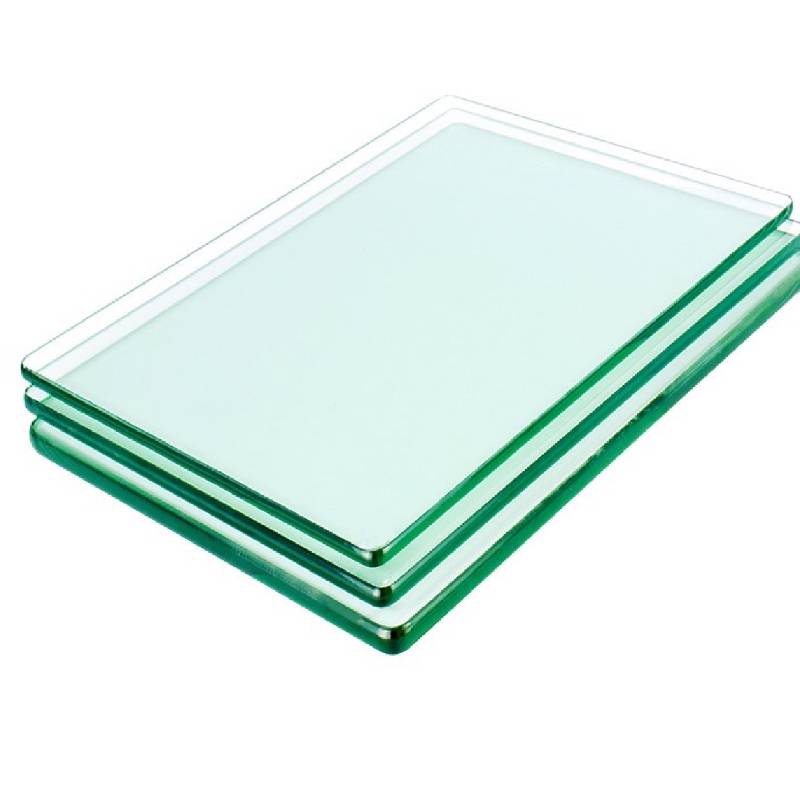
Precision cutting is the first step in creating high-quality tempered glass, influencing the final tempered glass price.
Industry Trends and Market Dynamics for Toughened Glass
The global market for toughened glass is experiencing steady growth, driven by increasing demand for safety and energy-efficient building materials across various sectors. The toughened glass price is influenced by several macro and microeconomic trends:
- Sustainable Construction: A global shift towards green building initiatives fuels demand for glass products that enhance thermal performance and reduce energy consumption. Tempered glass, particularly when integrated into insulated glazing units (IGUs), plays a crucial role.
- Infrastructure Development: Rapid urbanization and infrastructure projects, particularly in emerging economies, necessitate large volumes of high-strength glass for facades, balustrades, and public spaces.
- Technological Advancements: Innovations in glass coatings (e.g., low-emissivity, solar control), digital printing on glass, and larger glass panel capabilities are expanding application possibilities and influencing production costs.
- Safety Regulations: Stricter building codes and safety standards globally mandate the use of safety glass, such as tempered and laminated glass, in areas prone to human impact or high wind loads. This naturally increases the market size for tempered glass.
- Raw Material Volatility: Fluctuations in the price of raw materials (silica sand, soda ash, limestone) and energy costs significantly impact the final tempered glass price.
- Customization Demand: A growing preference for bespoke architectural designs drives demand for custom tempered glass, which often comes with a higher unit cost due to specialized processing and lower volume production runs.
The market is projected to grow at a Compound Annual Growth Rate (CAGR) of approximately 6-7% over the next five years, indicating a healthy and expanding sector for high-performance glass solutions.
Technical Specifications: Clear Float Flat Tempered Glass
Our clear float flat tempered glass offers a range of technical specifications engineered for demanding B2B environments. These parameters directly influence performance, suitability, and ultimately, the tempered glass price for specific projects.
Key Product Specifications:
| Parameter |
Specification |
Standard Compliance |
| Material |
Clear Float Glass (Soda-lime silicate glass) |
EN 572-2 |
| Thickness Range |
3mm to 19mm (Common: 6mm, 8mm, 10mm, 12mm) |
ASTM C1048, EN 12150 |
| Maximum Size |
Up to 3660mm x 2440mm (custom sizes available) |
|
| Minimum Size |
100mm x 100mm |
|
| Tensile Strength |
Approx. 120-200 MPa (4-5 times stronger than annealed glass) |
EN 12150 |
| Surface Compression |
> 69 MPa (> 10,000 psi) |
EN 12150 |
| Thermal Shock Resistance |
> 200°C (392°F) temperature differential |
ASTM C1048 |
| Light Transmittance |
Approx. 85-90% (for 6mm clear glass) |
ISO 9050 |
| Safety Classification |
Class B or C (depending on thickness and impact test) |
ANSI Z97.1, EN 12600 |
For instance, 10mm toughened glass is a popular choice for applications requiring significant structural integrity and safety, such as frameless glass partitions, heavy-duty shelving, and commercial shop fronts, due to its excellent balance of strength and optical clarity.
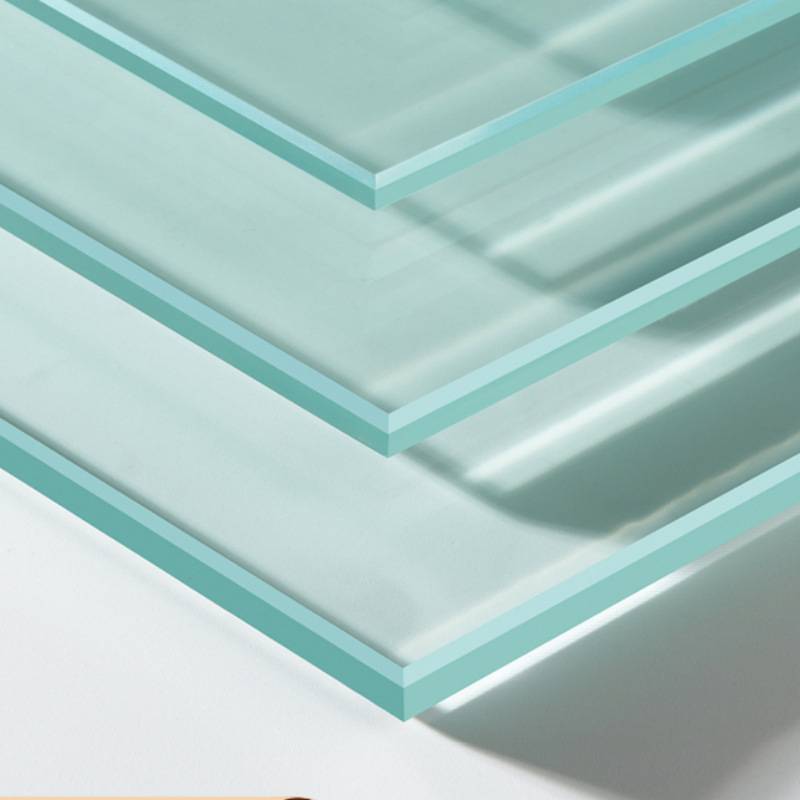
The structural integrity of 10mm toughened glass makes it ideal for robust applications, impacting its tempered glass price.
Versatile Application Scenarios and Technical Advantages
The inherent strength, safety, and thermal resistance of tempered glass make it indispensable across a multitude of B2B applications. These advantages contribute significantly to its value proposition and justify the investment in tempered glass price.
Typical Application Scenarios:
- Architectural Glazing: Curtain walls, structural glazing, skylights, windows, doors, balustrades, and shower enclosures in commercial and residential buildings benefit from its safety and durability.
- Automotive Industry: Used for side and rear windows due to its safety characteristics upon impact.
- Appliance Manufacturing: Oven doors, refrigerator shelves, and microwave doors leverage its thermal resistance and robust nature.
- Furniture: Tabletops, shelving, and display cases requiring strength and an aesthetic finish.
- Industrial Equipment: Safety shields, machinery guards, and control panel displays where impact resistance and clarity are critical.
- Marine and Transportation: Windows and panels in boats, trains, and buses where enhanced safety and structural integrity are crucial.
Technical Advantages:
- Enhanced Safety: In the event of breakage, tempered glass disintegrates into small, relatively harmless granular pieces, significantly reducing the risk of injury compared to the sharp shards of annealed glass. This is a primary driver for its adoption in safety-critical applications.
- Superior Strength: It is approximately four to five times stronger than annealed glass of the same thickness. This increased resistance to impact and thermal stress makes it ideal for high-traffic areas or environments with significant temperature fluctuations.
- Thermal Resistance: Tempered glass can withstand temperature differentials of up to 200°C (392°F) without breaking, making it suitable for high-temperature applications or environments exposed to extreme weather changes, such as in solar panels or industrial furnaces.
- Corrosion Resistance: Like standard glass, tempered glass is highly resistant to chemical corrosion, maintaining its optical and structural integrity in harsh industrial environments, including those found in petrochemical and chemical processing plants.
- Energy Saving: When used in insulated glazing units (IGUs) or combined with low-emissivity coatings, tempered glass contributes to improved thermal insulation, reducing heating and cooling costs in buildings.
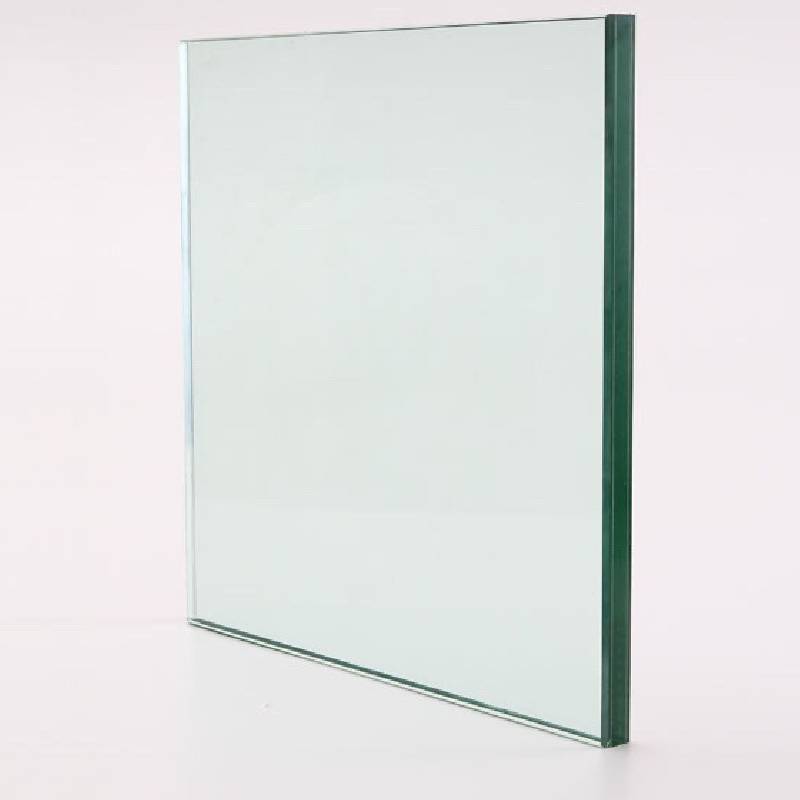
Tempered glass used in modern architectural facades, showcasing both aesthetic and functional advantages.
Vendor Comparison and Customized Solutions
Selecting the right supplier for tempered glass is crucial for project success and long-term performance. While the tempered glass price is a significant factor, it should be evaluated in conjunction with product quality, technical capabilities, and service reliability. Reputable manufacturers offer comprehensive support and customization options that add substantial value.
Key Considerations for Vendor Comparison:
- Certifications and Standards: Verify that the vendor adheres to international standards (ISO 9001, ASTM, EN). This demonstrates a commitment to quality and safety.
- Production Capacity and Lead Times: Assess the manufacturer's ability to meet your project timelines and volume requirements, particularly for large or complex orders.
- Technical Expertise and Customization: Look for vendors who can offer technical consultation and produce custom tempered glass solutions tailored to unique design specifications, including specific shapes, hole drilling, notches, and edge work.
- Quality Control Processes: Inquire about their in-house testing protocols, including fragmentation tests and surface compression measurements.
- Post-Sales Support and Warranty: Evaluate their warranty policies and customer service capabilities for resolving potential issues.
Customized Solutions for Specialized Needs:
Our capabilities extend beyond standard clear float flat tempered glass. We specialize in providing custom tempered glass solutions to meet unique project demands. This includes:
- Precision Fabrication: Custom shapes, curves, holes, cut-outs, and specific edge finishes (e.g., flat polished, pencil polished) are meticulously executed before the tempering process.
- Surface Treatments: Options for anti-glare, anti-fingerprint, or low-emissivity coatings to enhance functionality for specific environmental or operational requirements.
- Color and Opacity: Custom tints or fritting patterns can be applied for aesthetic design or to achieve specific light transmission properties.
- Integrated Solutions: Capability to integrate tempered glass into laminated units for enhanced security or acoustic performance, or into IGUs for thermal efficiency.
Our experienced team works closely with clients from design conceptualization to final delivery, ensuring that even the most complex bespoke requirements are met with precision and adherence to quality standards.
Application Case Studies and Customer Feedback
Our commitment to quality and tailored solutions is reflected in numerous successful projects. These case studies highlight the versatility and performance of our toughened glass in real-world, demanding B2B environments.
Case Study 1: High-Rise Commercial Building Facade
- Client: Major construction firm, Tier 1 city.
- Challenge: Design and supply of large-format, high-strength glass panels for a 50-story office building facade, requiring superior wind load resistance and thermal performance, while managing the overall tempered glass price for a large-scale project.
- Solution: We supplied over 15,000 square meters of 12mm clear float tempered glass, integrated into advanced insulated glazing units (IGUs) with low-emissivity coatings. Each panel underwent rigorous pre-stress testing to ensure compliance with local building codes for hurricane zones.
- Outcome: The project was completed on schedule, within budget, and the facade now provides exceptional thermal insulation and structural safety, contributing to the building’s LEED certification. The client praised our ability to handle complex logistics and maintain consistent quality across large volumes.
Case Study 2: Industrial Control Room Panels
- Client: Leading petrochemical processing plant.
- Challenge: Replacement of viewing panels in a control room adjacent to high-temperature and potentially explosive environments. The glass needed to offer extreme thermal shock resistance, impact protection, and optical clarity for precise monitoring.
- Solution: We provided bespoke 10mm toughened glass panels with specialized heat-resistant coatings. The glass was fabricated with custom drillings for mounting and underwent additional post-tempering tests for enhanced thermal endurance.
- Outcome: The new panels significantly improved safety and operational reliability. The client reported enhanced visibility and peace of mind, citing our technical consultation as instrumental in selecting the optimal glass type for their hazardous environment.
These examples illustrate our proven track record in delivering high-performance tempered glass solutions that meet stringent industry requirements and client expectations.
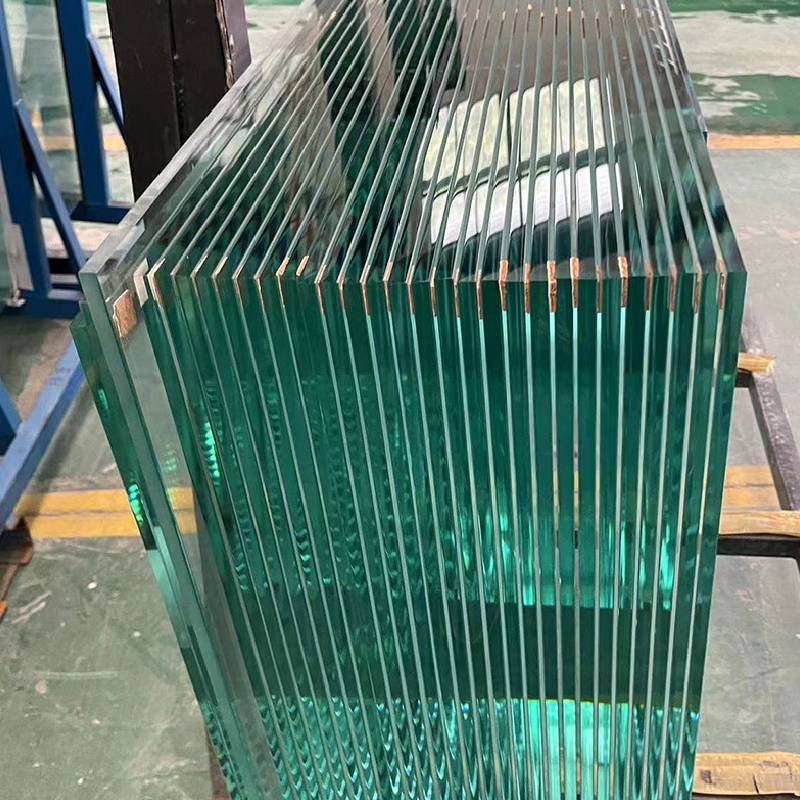
Quality control and precise dimensioning are key factors in determining the reliability and tempered glass price for large-scale projects.
Trustworthiness: FAQ, Lead Time, Warranty, and Support
Building long-term B2B relationships is founded on trust, transparency, and reliable support. We are committed to providing clear information and exceptional service throughout the customer journey.
Frequently Asked Questions (FAQ):
- Q: What is the primary difference between annealed glass and tempered glass?
- A: Annealed glass breaks into large, sharp shards, posing a significant safety risk. Tempered glass, through a controlled thermal process, breaks into small, relatively harmless granular pieces, making it a safety glass. This fundamental difference is a key factor in the higher tempered glass price.
- Q: Can tempered glass be cut or drilled after tempering?
- A: No. Any cutting, drilling, or significant edge work must be performed before the tempering process. Attempting to modify tempered glass after it has been heat-treated will cause it to shatter due to the induced surface compression. This is why precise pre-fabrication for custom tempered glass is so critical.
- Q: What thicknesses of tempered glass do you typically supply?
- A: We commonly supply clear float flat tempered glass ranging from 3mm to 19mm in thickness. Popular choices include 6mm, 8mm, 10mm toughened glass, and 12mm, suitable for various architectural and industrial applications.
- Q: How does the thickness affect the tempered glass price?
- A: Generally, thicker glass requires more raw material and a longer tempering cycle, leading to a higher unit price per square meter. However, the increased strength and safety benefits often justify the investment for demanding applications.
Lead Time and Fulfillment:
Our standard lead time for clear float flat tempered glass typically ranges from 7-14 business days, depending on order volume, complexity, and specific customization requirements. For custom tempered glass, lead times may extend to 15-25 business days to accommodate specialized fabrication. We provide clear project schedules and regular updates, ensuring transparent communication from order placement to delivery. Expedited options are available for urgent projects upon request.
Warranty Commitments:
We stand behind the quality of our products. All clear float flat tempered glass supplied by us comes with a comprehensive 10-year warranty against manufacturing defects that impair its structural integrity or optical clarity under normal use and maintenance. Full details of our warranty policy are available upon request.
Customer Support Information:
Our dedicated customer support team is available to assist with inquiries, technical specifications, order tracking, and after-sales service. We are committed to providing prompt and knowledgeable assistance to ensure your complete satisfaction.
- Email: info@shzrglass.com
- Phone: +86-XXX-XXXX-XXXX (example)
- Online Contact Form: Available on our website for direct inquiries and technical support requests.
Conclusion
The selection of tempered glass is a strategic decision for B2B applications, balancing safety, durability, and cost-effectiveness. The tempered glass price reflects not just the raw material and manufacturing effort, but also the extensive technical advantages it offers in terms of strength, thermal resistance, and safety. By understanding the detailed production process, industry trends, and the capabilities for custom tempered glass, businesses can make informed choices that ensure project success and long-term value. Our commitment to quality, adherence to international standards, and robust customer support solidify our position as a trusted partner for all your toughened glass requirements.
References
- ASTM International. (2023). ASTM C1048/C1048M, Standard Specification for Heat-Treated Flat Glass—Kind HS, Kind FT Coated and Uncoated Glass.
- European Committee for Standardization. (2015). EN 12150-1, Glass in building — Thermally toughened soda lime silicate safety glass — Part 1: Definition and description.
- ISO. (2020). ISO 9001, Quality management systems — Requirements.
- Glass Magazine. (Industry Reports and Technical Articles).
- Journal of Architectural Engineering. (Various peer-reviewed articles on glass performance).