4mm clear float glass is a versatile material integral to countless modern applications, from architectural glazing and automotive windshields to sophisticated displays and solar energy systems. Its exceptional clarity, consistent thickness, and smooth surface make it a cornerstone of industries prioritizing visual quality and precision. Understanding its properties, manufacturing processes, and diverse applications is crucial for engineers, architects, manufacturers, and anyone involved in building and design.
Globally, the demand for 4mm clear float glass is steadily increasing, driven by urbanization, infrastructure development, and a growing emphasis on energy efficiency in buildings. The glass industry is a significant economic contributor, providing employment and supporting related sectors like chemical production and transportation. However, challenges remain in ensuring sustainable manufacturing practices and minimizing the environmental impact of glass production.
The widespread adoption of 4mm clear float glass isn't just about technological advancement; it’s about enabling progress across various facets of life. It allows for natural light to permeate buildings, enhancing well-being and reducing energy consumption. It provides safety and protection in vehicles and structures, and facilitates innovation in fields like telecommunications and renewable energy.
The Significance of 4mm Clear Float Glass
4mm clear float glass occupies a pivotal position in modern construction and manufacturing. Its thin profile offers versatility, making it suitable for applications where weight is a concern, while maintaining excellent optical clarity and strength. This balance of properties ensures its continued relevance in a wide range of industries. 4mm clear float glass is often chosen for its aesthetic appeal.
Beyond aesthetics, the durability and relatively low cost of 4mm clear float glass contribute to its popularity. It’s a readily available material, produced in large quantities, ensuring a consistent supply chain for manufacturers worldwide. Its ease of processing – cutting, bending, and laminating – allows for creative design solutions.
Global Context and Industry Relevance
The global float glass market is a multi-billion dollar industry, with Asia-Pacific dominating production and consumption. According to recent reports from the UN Statistics Division, demand for construction glass is projected to grow significantly in emerging economies, particularly in Southeast Asia and Africa. This growth is fueled by rapid urbanization and infrastructure projects, driving demand for 4mm clear float glass and other glass products.
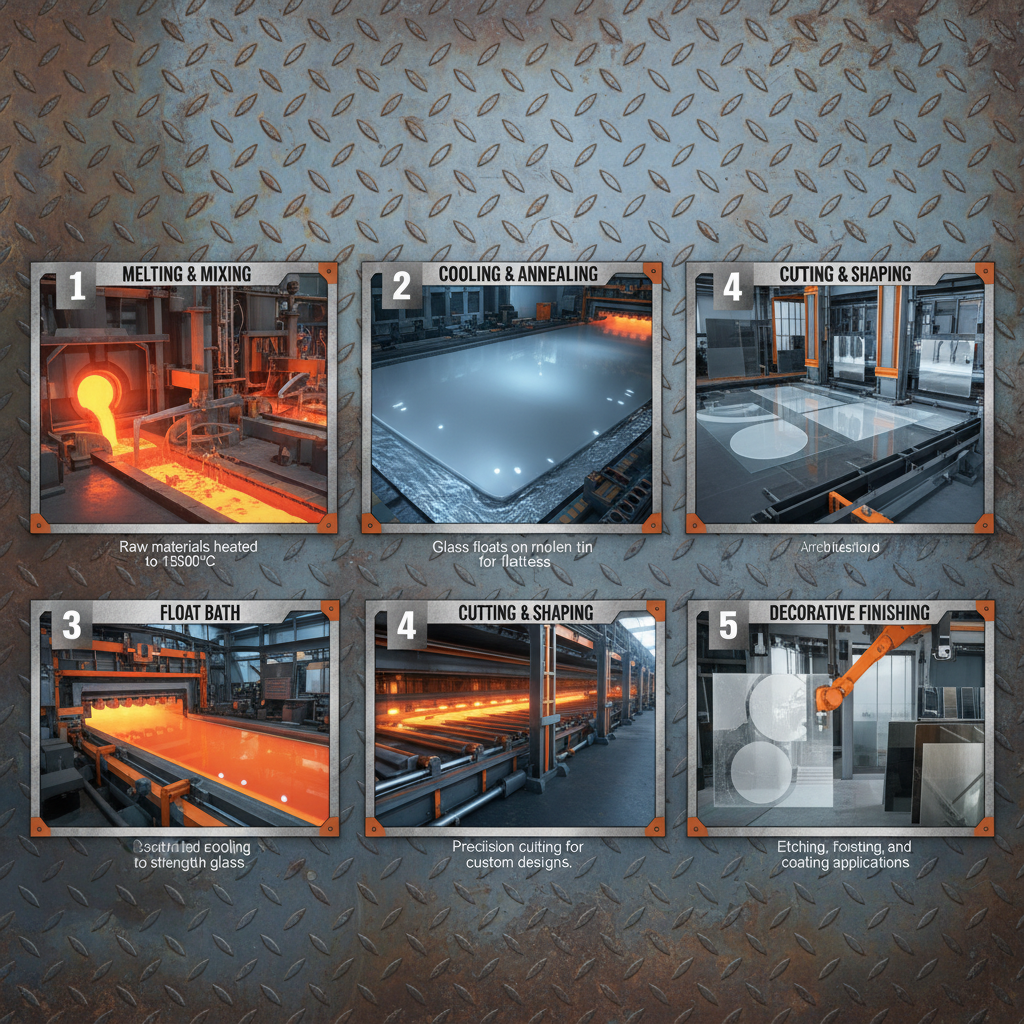
However, the industry faces challenges related to energy consumption during production. The float glass process is energy-intensive, requiring high temperatures to melt the raw materials. The industry is under increasing pressure to adopt more sustainable manufacturing practices, including utilizing recycled glass cullet and investing in energy-efficient technologies.
The demand for high-quality, consistent 4mm clear float glass is a key indicator of economic activity in sectors such as automotive, construction, and electronics. Fluctuations in global economic conditions directly impact the demand for this material, highlighting its importance as a barometer of industrial health.
Defining 4mm Clear Float Glass
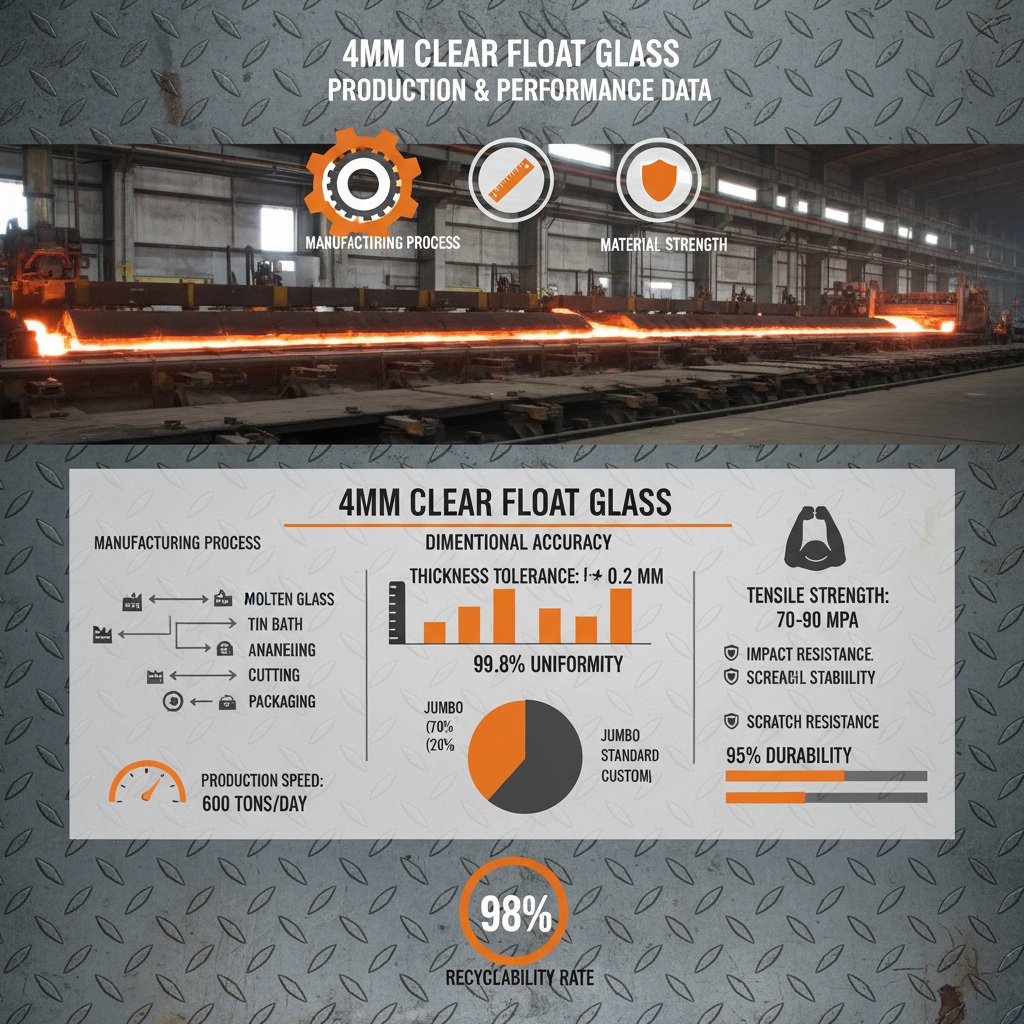
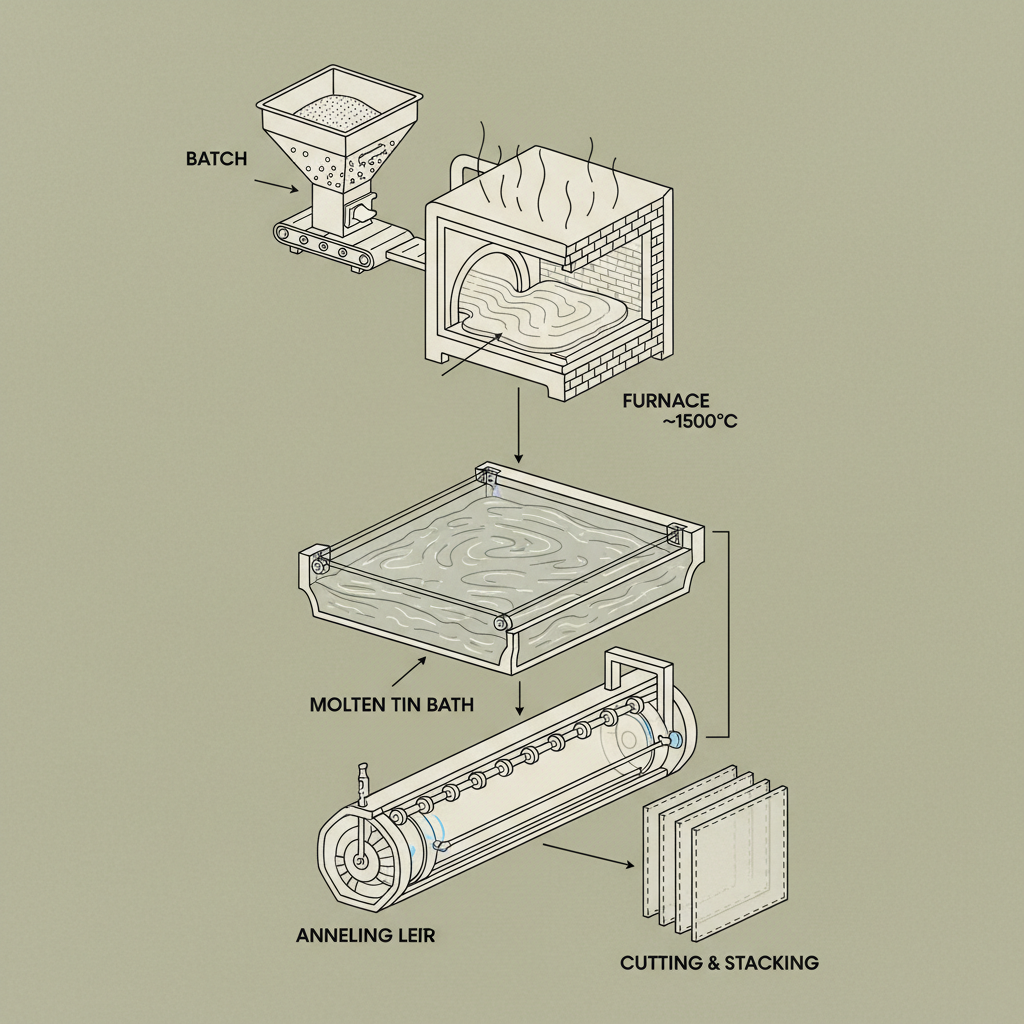
4mm clear float glass is a type of flat glass manufactured using the float process. This process involves pouring molten glass onto a bed of molten tin, creating a perfectly flat and uniform surface. The resulting glass is transparent, with minimal distortion, and possesses excellent optical properties. The ‘4mm’ refers to its thickness, measured in millimeters, making it a relatively thin, yet strong, glass option.
The significance of the float process lies in its ability to produce glass consistently at scale. Prior to its invention in the 1950s, glass production was labor-intensive and often resulted in imperfections. The float process revolutionized the industry, enabling mass production of high-quality glass suitable for a wide range of applications.
4mm clear float glass directly addresses a critical need for transparent, durable, and consistently sized material across multiple industries. From enabling energy-efficient windows in buildings to providing clear visibility in vehicles, its core properties directly contribute to functional and aesthetic improvements in countless products and structures.
Key Properties of 4mm Clear Float Glass
The strength of 4mm clear float glass, while seemingly delicate due to its thinness, is remarkably high considering its composition. This is attributed to the controlled cooling process during manufacturing, which creates internal stresses that enhance its structural integrity.
Furthermore, 4mm clear float glass possesses excellent thermal stability, meaning it resists cracking or breaking when exposed to temperature fluctuations. It also demonstrates exceptional chemical resistance, making it suitable for environments where exposure to various substances is likely.
Property Rating of 4mm Clear Float Glass
Global Applications and Use Cases
4mm clear float glass is ubiquitous in architectural glazing, forming the transparent panels in windows, doors, and curtain walls. Its clarity enhances natural lighting, reducing the need for artificial illumination and contributing to energy savings. In the automotive industry, it’s utilized for windshields and side windows, providing drivers with clear visibility and ensuring passenger safety.
Furthermore, the electronics sector relies on 4mm clear float glass for manufacturing displays in smartphones, tablets, and televisions. Its smooth surface and optical clarity are crucial for delivering high-resolution images. In renewable energy, it serves as a protective cover for solar panels, safeguarding the delicate photovoltaic cells within.
From the skyscrapers of New York City to the residential buildings of Tokyo, and the automotive factories of Germany, 4mm clear float glass is a fundamental component of modern infrastructure and consumer products globally. It’s a material that touches almost every aspect of daily life.
Advantages and Long-Term Value
The cost-effectiveness of 4mm clear float glass is a significant advantage, making it accessible for a wide range of projects. Its relatively low weight reduces structural support requirements, lowering overall construction costs. Moreover, its durability minimizes the need for frequent replacements, contributing to long-term savings.
From a sustainability perspective, 4mm clear float glass is fully recyclable, reducing landfill waste and conserving natural resources. The material's inherent strength and longevity also contribute to reducing the embodied carbon footprint of buildings and products. Its use enhances safety and security, providing peace of mind for occupants and users.
Future Trends and Innovations
Research and development are focused on enhancing the properties of 4mm clear float glass through innovative coatings and treatments. Self-cleaning coatings, for example, reduce maintenance requirements and improve visibility. Low-emissivity (low-E) coatings enhance energy efficiency by reducing heat transfer through windows.
The integration of smart glass technology, which allows for dynamic control of light transmission, is another promising trend. This could lead to windows that automatically adjust to changing sunlight conditions, optimizing energy performance and occupant comfort. The application of digital printing techniques also enables customization and decorative possibilities.
Furthermore, advancements in glass recycling technologies are aimed at increasing the proportion of recycled glass cullet used in the manufacturing process, further reducing the environmental impact of 4mm clear float glass production and promoting a circular economy.
FAQS
4mm clear float glass is widely used in architectural glazing for windows and doors, automotive windshields, furniture, decorative mirrors, and display screens for electronic devices. Its versatility and clarity make it suitable for applications where visual transparency and durability are essential. Its affordability also makes it popular for many projects, and its ease of cutting and bending allows for flexibility in design.
4mm clear float glass is relatively thin compared to other thicknesses commonly used in construction, such as 6mm or 10mm. While thinner glass is lighter and easier to cut, it's less resistant to impact and may require additional support in structural applications. 4mm is often preferred where weight reduction is critical or where the glass is used as a secondary glazing layer.
While 4mm clear float glass is durable, it's generally not recommended for use in areas where it's likely to be subjected to significant impact, such as floor-level windows or unprotected doorways. In these scenarios, laminated or tempered glass, which offer increased strength and safety, are preferred.
Lead times for 4mm clear float glass can vary depending on the quantity, size, and any additional processing requirements, such as cutting or tempering. Standard stock sizes are usually available within a few business days, while custom orders may take 2-4 weeks.
4mm clear float glass can be easily cut using standard glass cutting tools, such as glass cutters and scoring knives. Additional processing, like beveling, drilling, and tempering, requires specialized equipment and expertise. It's often processed by glass fabricators who provide custom cutting and shaping services.
Yes, 4mm clear float glass is 100% recyclable. It’s often crushed into cullet and added to the raw materials used in the float glass manufacturing process. This reduces the need for virgin materials and lowers energy consumption, contributing to a more sustainable lifecycle.
Conclusion
4mm clear float glass remains a cornerstone material for a diverse range of industries due to its unique combination of clarity, durability, cost-effectiveness, and recyclability. Its consistent quality, ease of processing, and widespread availability have solidified its position as a fundamental building block for modern infrastructure, consumer products, and technological advancements. Understanding its properties and applications is crucial for professionals across various sectors.
Looking ahead, continued innovation in glass coatings, smart glass technologies, and recycling processes will further enhance the value and sustainability of 4mm clear float glass. By embracing these advancements, we can unlock new possibilities for energy efficiency, design flexibility, and environmental responsibility. For all your 4mm clear float glass needs, visit our website: www.shzrglass.com