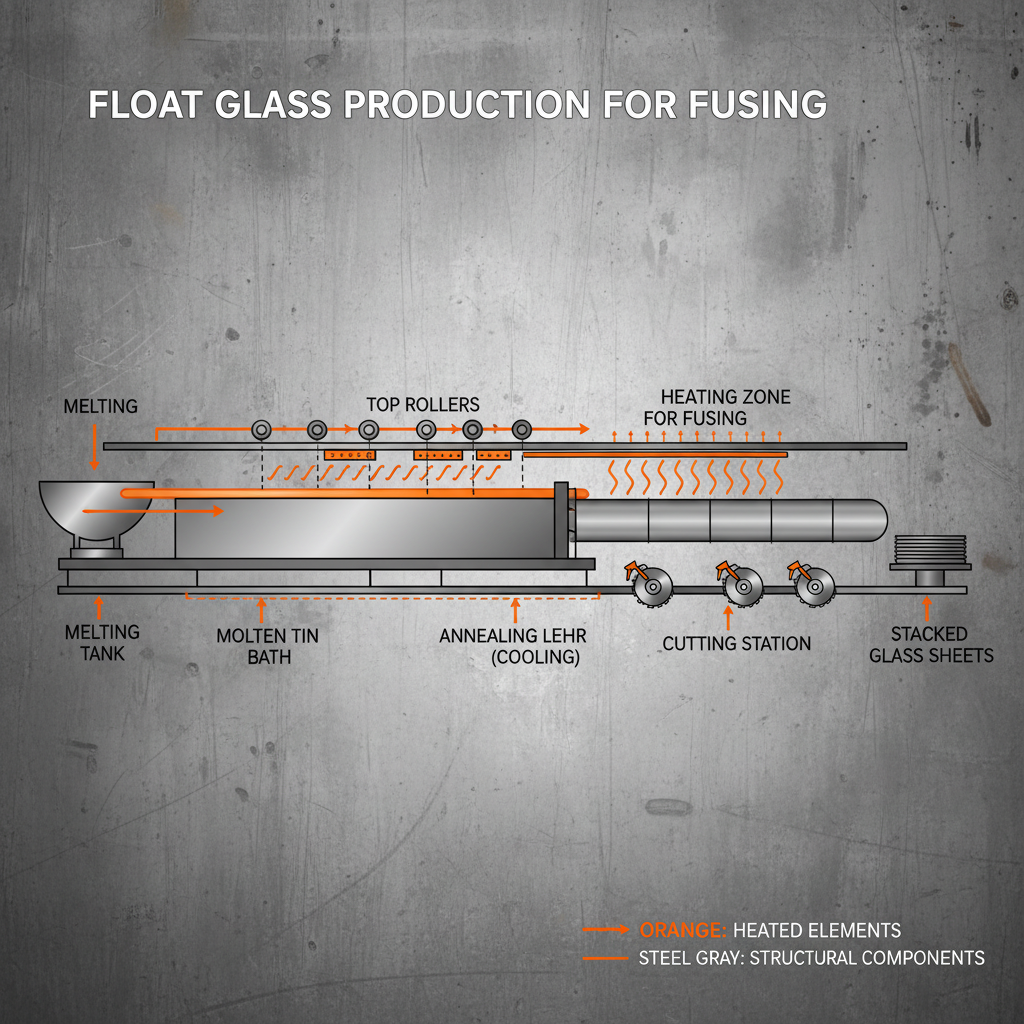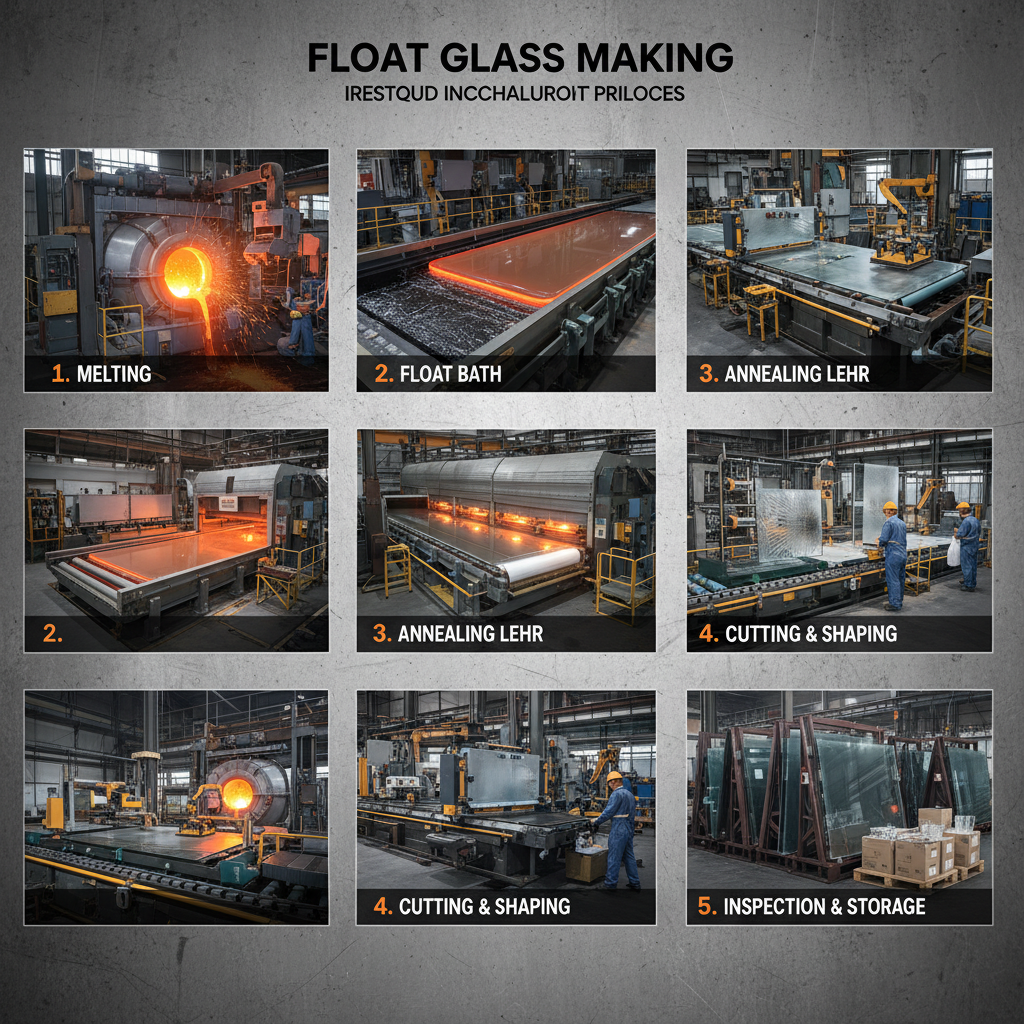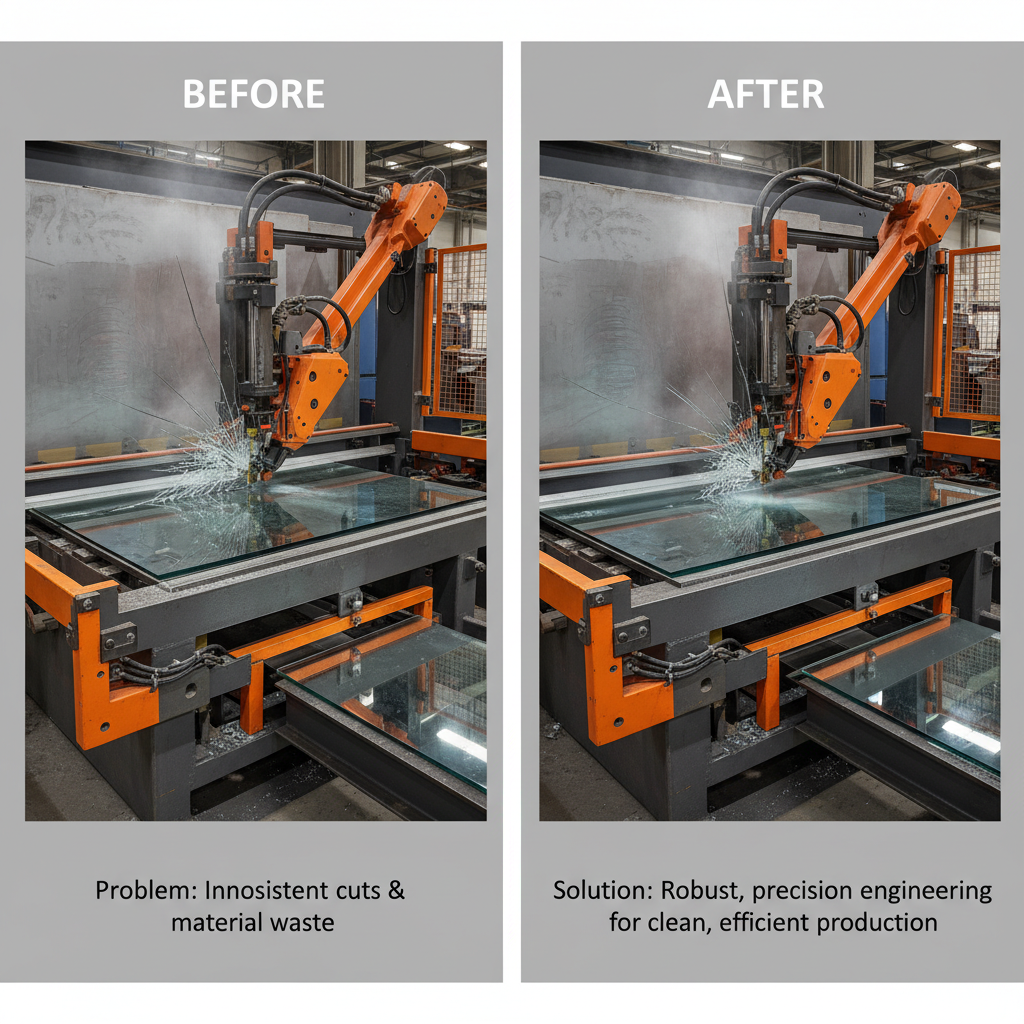
You know, this float glass manufacturing process… it’s a surprisingly dynamic field. Been on sites all year, and things are shifting. Everyone’s talking about thinner glass, higher clarity, less iron content. It’s all about getting that pristine look, especially for architectural projects and displays. To be honest, the demand for low-E coatings is through the roof. It’s not just energy efficiency, although that's huge, it's the aesthetic too – that subtle tint.
But let me tell you, chasing those specs can be a minefield. A lot of designers think they can just push for a thinner glass and expect it to hold up. Have you noticed? They don't always understand the structural implications. It's easy to fall into the trap of prioritizing aesthetics over practicality, and then you’re dealing with cracked panes and unhappy clients.
It’s a real balancing act.
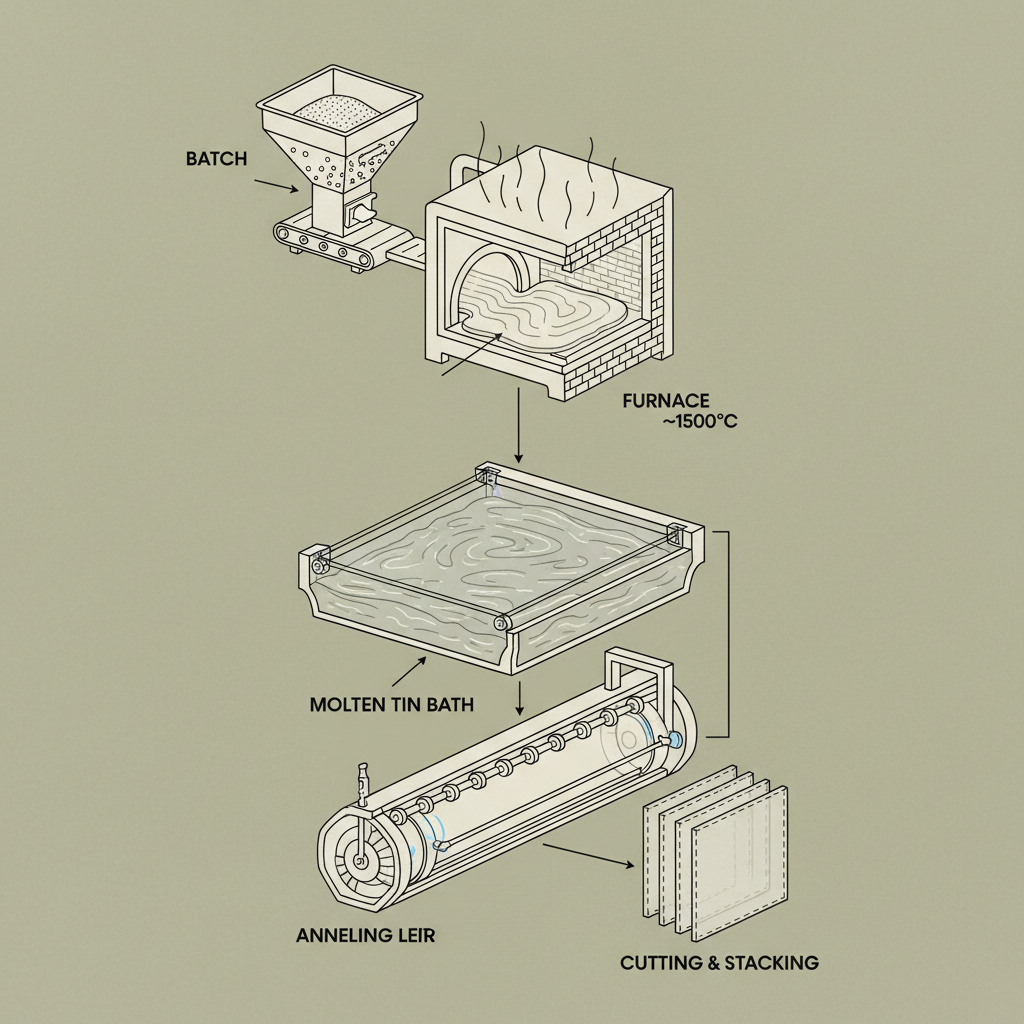
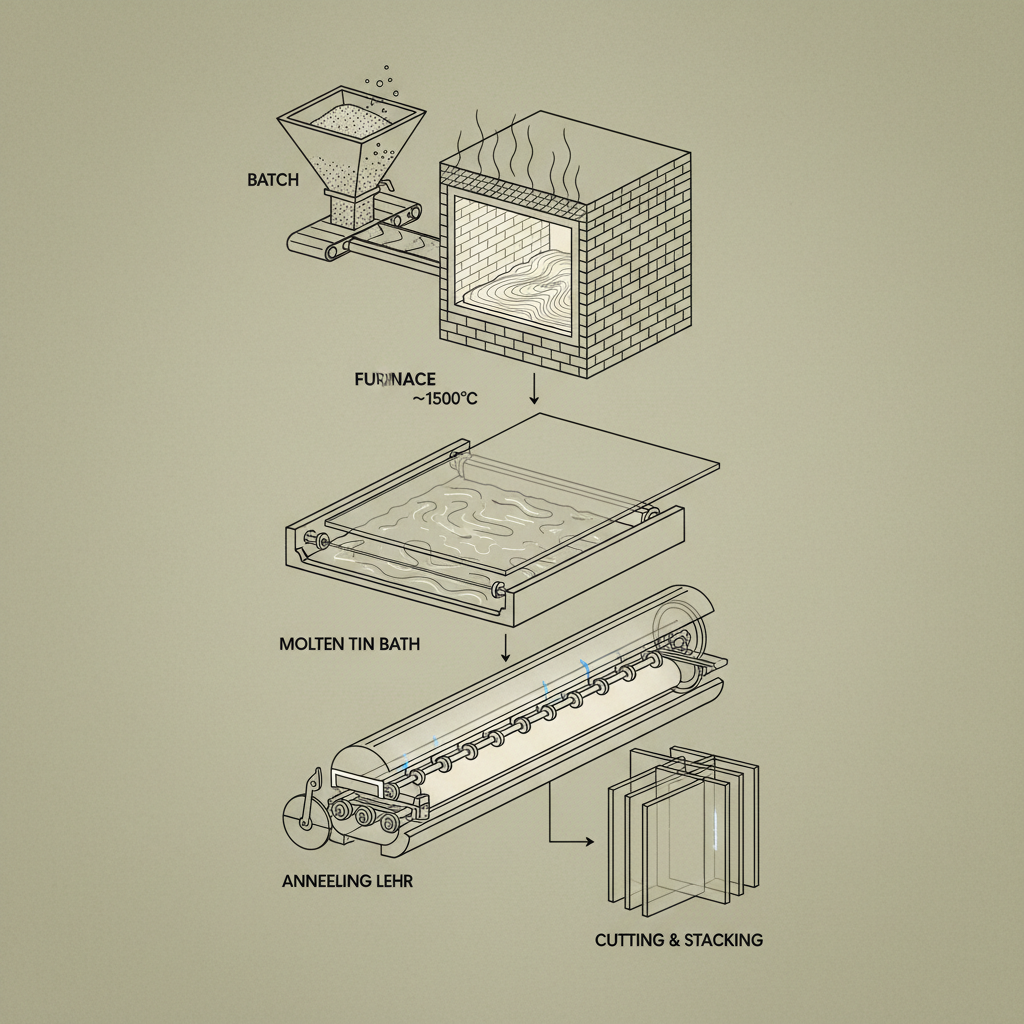
Strangely enough, the biggest shift I’ve seen lately isn’t necessarily new tech, it’s the demand for sustainability. Everyone wants recycled content, lower carbon footprints... which is great, but it adds layers of complexity to sourcing. I encountered this at a factory in Shandong province last time; they were scrambling to verify the origins of their silica sand. It's a constant back-and-forth.
And don't get me started on the increasing focus on digitalization. They're all pushing for smart glass, integrated sensors… It’s neat, but a lot of that stuff feels like it's still solving problems people don't actually have yet.
Generally, you’re looking at around 20-30 years for float glass in a residential window, assuming proper installation and no major impacts. However, things like weather exposure, air pollution, and the quality of the seal can significantly affect that. We’ve seen some windows last 40 years, but those are exceptions. Proper maintenance, like cleaning and occasionally checking the seals, can extend its life. It's always best to have it professionally inspected if you suspect any issues.
Thicker glass inherently provides better soundproofing. Sound waves have more difficulty passing through a denser material. However, it's not just about thickness; the type of glass and the airspace between panes are also crucial. Laminated glass, which has a layer of PVB between two panes, is particularly effective at blocking sound. We often recommend combining thicker glass with laminated options for optimal noise reduction in busy areas.
Tempered glass is excellent for preventing injury from impact, as it breaks into small, relatively harmless pieces. However, it doesn’t hold together when broken. Laminated glass, on the other hand, stays intact even when cracked, thanks to the interlayer. This makes it preferable in situations where security is a concern, or where you want to prevent debris from falling in case of breakage, like skylights or railings.
The most frequent culprit is seal failure, which allows moisture to enter the unit, leading to condensation and eventually obscuring the view. Poor installation, improper spacer material, and extreme temperature fluctuations can all contribute to seal failure. Also, desiccant degradation over time reduces the unit’s ability to absorb moisture. Sometimes, you'll see failures due to defects in the glass itself, but that's less common with reputable manufacturers.
Thermal breakage occurs when there's uneven heating in the glass, creating stress. To minimize this, ensure the glass is properly supported along all edges and that there are no obstructions blocking airflow. Using tempered glass, which is more resistant to thermal stress, is also a good idea. Avoid applying films or coatings that can absorb heat unevenly. Careful consideration of the building's orientation and sun exposure is crucial.
Float glass production is energy-intensive and generates significant CO2 emissions. However, the industry is making strides towards sustainability. Increasing the use of recycled cullet, optimizing furnace efficiency, and switching to alternative fuels are all important steps. Also, advancements in coating technology are reducing the need for energy-intensive post-processing. It's a continuous process, but there's a growing commitment to greener manufacturing practices.
So, where does all this leave us? float glass manufacturing process is a complex, evolving field, constantly balancing performance, cost, sustainability, and aesthetics. It’s not just about making clear sheets of glass; it's about understanding the interplay of materials, processes, and environmental factors. Getting it right requires a deep understanding of the entire supply chain, from raw material sourcing to installation and long-term maintenance.
Looking ahead, I think we’ll see even greater emphasis on customization, sustainability, and digitalization. The demand for high-performance glass will continue to grow, and manufacturers will need to innovate to meet those demands. Ultimately, whether this thing works or not, the worker will know the moment he tightens the screw.